
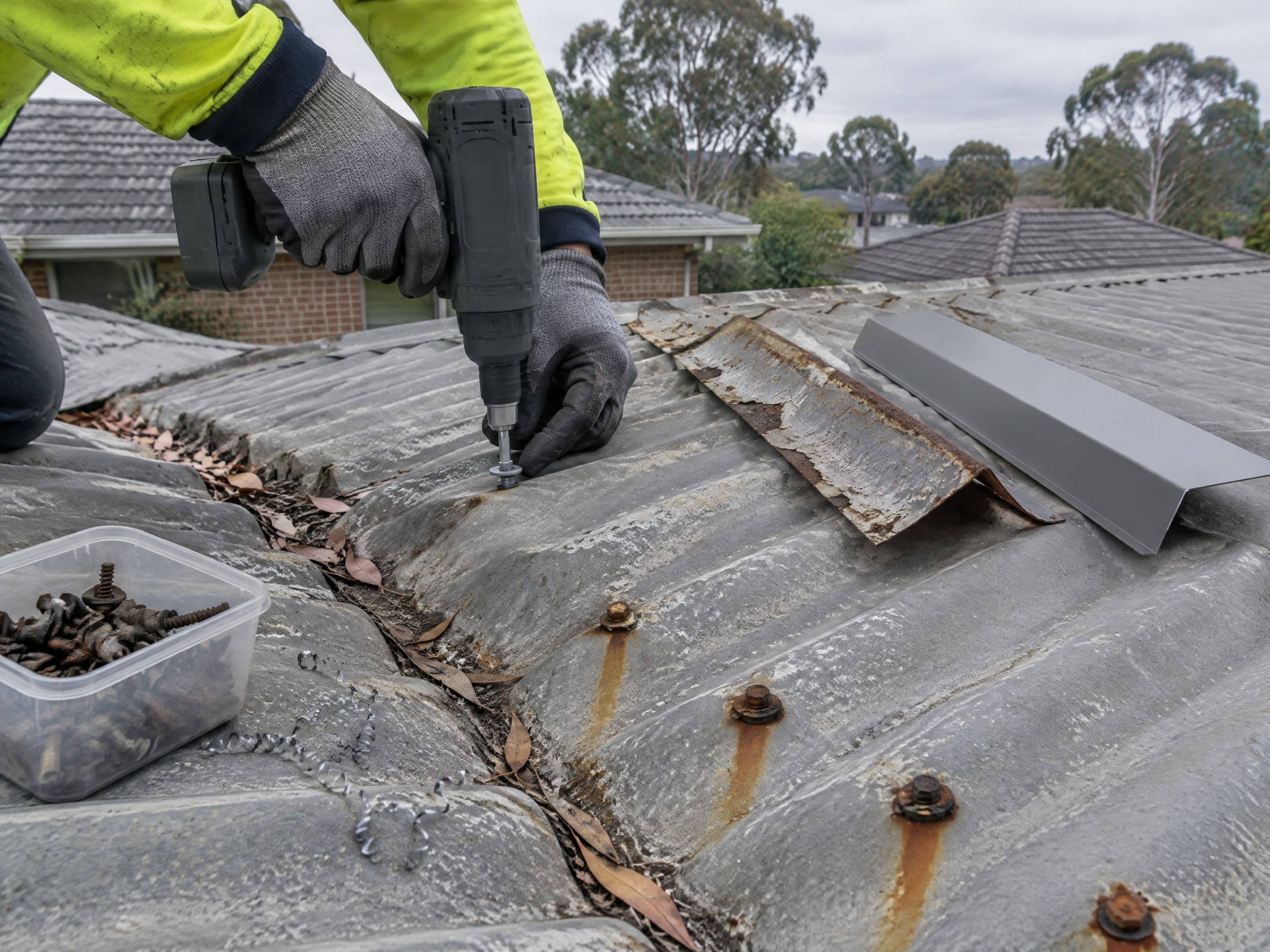
Newcastle roof restorations start with the roof you actually have
Newcastle’s housing is varied. Victorian and Federation-era terraces and cottages fill the inner suburbs, many under metal roofs. Further out are interwar and postwar homes with terracotta or concrete tiles, and brick homes from every decade since. A roof restoration means something different on each.
On a terrace with an older metal roof, restoration covers loose and corroded fixings, rust treatment, flashings and box gutters, then coating where the sheet is still sound. Where corrosion has gone through the sheet, the honest answer is replacing it. On a tiled roof, restoration means tile replacement, rebedding and repointing before any coat goes on. Where the problem is one failed point rather than the whole roof, a repair is the right scope, and where the coating has worn on a sound roof, roof painting may be enough.
What makes terraces and older inner-suburb homes different?
Close neighbours, hidden gutters and tight access. Each one changes how the work is planned.
- Close neighbours. Terrace roofs sit metres, sometimes centimetres, from the next one. Masking the neighbours’ roofs, windows, walls and the cars parked in narrow streets is part of the plan, not an afterthought. If overspray cannot be adequately controlled, we do not spray, and on a tight terrace that rule decides how the coating is applied.
- Parapets and box gutters. A parapet is the wall that rises above the roofline at the front or side. A box gutter is a gutter built into the roof, inside the walls, rather than hanging off the edge. When a box gutter overflows or its lining fails, the water goes inside the building. They are a common leak point on older terraces and are checked on every inspection.
- Access. Narrow side passages, shared walls and rear lanes shape how a roof is reached and how materials come and go. The quote states the access plan.
Parts of inner Newcastle are also heritage conservation areas, where a change of roof colour or material may need council consent. We flag it before a colour is chosen.
What does salt exposure do near the beaches and the harbour?
Salt-laden air from the ocean and the harbour settles on roofs and works on metal. It speeds up corrosion at fixings, sheet laps, flashings and gutters. A coating laid over salt does not bond well, so salt is removed as part of preparation, alongside any growth, before the roof is primed.
The same air works on concrete. Sealers on courtyards and driveways near the water wear faster in the sun and salt, and older slabs can show rust staining where reinforcement sits close to the surface.
Concrete work across Newcastle
Terrace courtyards, narrow side paths and older driveways make up much of the concrete work here. Where the slab is sound but the surface is tired, concrete resurfacing or concrete restoration and sealing may suit. Where it is broken or moving, a new driveway, path or courtyard is designed, poured and coated by one team. On a terrace with rear-lane access only, how the concrete reaches the site is planned at design. Parts of Newcastle also fall within declared mine subsidence districts, which we check before designing new concrete.
How a Newcastle inspection works
We travel from Gosford, inspect the accessible areas of the roof and any concrete you want looked at, and photograph each finding, from box gutters and parapet flashings to ridge lines, fixings and slabs. Daniel, founder of SOAKD and director, leads roof diagnosis and quoting.
The written scope sets out the condition, the pathway and the system by name, with inclusions, exclusions and the access plan. For strata and property managers, it is written so it can go into a committee file as it stands.
If your Newcastle roof or driveway needs looking at, request a free inspection.